




Here's something that bothers every implant dentist: You do beautiful work. The patient is thrilled. The osseointegration is perfect. And then they vanish after the final crown is placed.
Six months later, they've missed two maintenance appointments and stopped answering recall reminders. You're left wondering if peri-implantitis is quietly developing while they ignore your messages.
The clinical work isn't the problem. The problem is you don't have a system that keeps patients engaged with their implant health after treatment ends.
That's exactly what a good patient club does.
Not a Gimmick—A Maintenance Framework
Let's be clear: We're not talking about loyalty points or rewards programs. A real patient club is a structured maintenance system that makes ongoing care feel valuable rather than optional.
Think about it this way. Hoping patients remember to come back versus building a system where coming back is the obvious, expected thing to do. That's the difference.
The best patient clubs across Europe—from the UK to Spain to Scandinavia—share one thing in common: they make maintenance feel like membership in something worthwhile, not just another appointment to dread.
This works everywhere. German patients love structured systems. Spanish patients appreciate clear value. Indian and Japanese markets respond well to tiered programs. The principle is universal: people take better care of things when there's a clear framework guiding them.
Build Tiers Around Real Clinical Needs
Here's the biggest mistake: treating every patient the same. Your single posterior implant patient has completely different needs than someone with full-arch rehabilitation.
Structure your club around clinical reality:
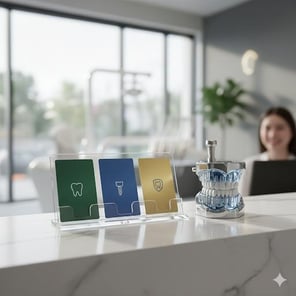
Basic tier: Routine hygiene and annual check-ups for simple cases.
Periodontal tier: More frequent tissue assessments for patients with active or stabilized periodontitis.
Implant tier: Split this between single implant and multiple/full-arch patients. Focus on peri-implant health monitoring, tissue assessment, biofilm control, and occlusal evaluation.
Be crystal clear about what's included and what's not. Regular maintenance visits? Yes. Surgical procedures, repairs, and major imaging? No. List the exclusions plainly so patients know exactly what they're paying for.
Some clinics in the UK have successfully separated implant coverage from general maintenance and clearly state what requires additional coverage. That transparency builds trust.
Price It Like Preventive Care, Not Insurance
Monthly or annual pricing both work. Just make sure you're pricing it as ongoing preventive care, not all-inclusive insurance.
Keep it reasonable enough that patients see value, but substantial enough that they take it seriously.
Consider attendance conditions. If patients miss scheduled recalls without rescheduling, membership pauses until they return. This isn't punishment—it's protection. You're ensuring that patients who benefit from subsidized maintenance are actually maintaining their implants.
Financial incentives? Keep them modest and clinically relevant. A discount on interdental brushes makes sense. Cash-back rewards feel transactional.
Leading European clinics publish detailed benefit tables that make everything transparent. Patients know exactly what they get, and confusion disappears.
Communication That Actually Works
Automated appointment reminders won't cut it. Patients need ongoing reinforcement about why maintenance matters and how to care for their implants at home.
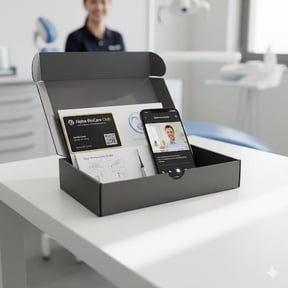
Start with solid welcome materials. A membership card with a QR code linking to a 90-second home-care video works perfectly. Focus on the essentials: brushing technique around implants, interdental cleaning, and when to call with concerns.
Then build a check-in sequence: Day 1 after final restoration, day 3, week 2, month 3, then quarterly. The first response should come from you or your treating clinician within 24 hours—not just reception. Document everything so your whole team knows what's been communicated.
Practices in emerging markets like India have structured their plans with clear communication steps and vouchers for specific services. Benefits are immediate and tangible, keeping patients engaged.
Standardize Your Clinical Protocols
This is where patient clubs become clinical assets, not just administrative programs.
Define exactly what happens at each recall for each tier. For implant maintenance: which peri-implant indices you'll assess, what probing depths you'll measure, radiograph intervals, occlusal screw checks, and what home-care reinforcement you'll provide.
In several Asian markets, maintenance adherence is directly linked to prosthetic warranty timeframes. The message is clear: maintenance isn't optional—it's integral to long-term success.
When protocols are standardized, your team delivers consistent care, patients know what to expect, and you can actually measure whether your approach is working.
Track What Matters
Measure these metrics quarterly:
- Attendance rates by tier: Are patients showing up? If not, why?
- Follow-up response time: How quickly does your team respond to patient questions?
- Unplanned visits within 30 days: Suggests you're missing issues during routine recalls
- 12-month maintenance adherence: What percentage complete all recommended visits?
Add short patient surveys: "Do you understand how to care for your implants at home?" and "Do you feel confident your implant health is being monitored properly?"
Simple questions reveal whether your club actually serves patients or just generates revenue.

Launch in Four Weeks
You don't need months of planning.
Week 1: Define tiers and write a one-page overview with FAQs.
Week 2: Set pricing and configure payment processing.
Week 3: Create welcome materials and record your home-care video.
Week 4: Train your reception team and invite a pilot group of existing patients.
Start small. Gather feedback. Adjust based on what patients actually need rather than what you assumed they'd want.
Keep It About Care
The patient clubs that work long-term reward consistency, not spending. They're transparent about exclusions. They tailor full-arch care appropriately. They keep communication documented and accountable.
And they measure clinical outcomes—like fewer unplanned post-surgical visits—not just revenue.
This isn't a marketing trick. It's a framework for sustainable implant maintenance. When designed around clinical need rather than profit, patient clubs become one of your most valuable tools for ensuring your excellent implant work continues to succeed years after the final crown is placed.
Because here's the truth: Your clinical skills got the implant integrated. But a good patient club is what keeps it healthy for the next twenty years.

For more information about our implant systems and clinical resources, visit www.alpha-bio.net.
.png)
.png)

.png)
.png)
.png)